
Supplement Brand
+135% annual revenue by rebuilding ad structure from the ground up.
Listings were struggling with conversion, the ad structure was effectively non-existent, spend was bleeding in the wrong areas, and organic rankings were extremely low.
- Optimized budget allocation across the full ad stack
- Implemented our catch-all campaign strategy
- Engineered ranking campaigns to push listings to rank 8-18 in niche
- Optimized CVR via A+ content, listing images, and Brand Store
The starting state
This supplement brand was doing roughly $924,000 a year on Amazon. That is a real business — and it was running with effectively no advertising structure at all.
There were campaigns, but not a structure. Nothing separated the products that could afford traffic from the ones that couldn't, nothing mapped budget to intent, and there was no mechanism deciding which terms deserved more money as evidence came in. Spend went out; it just didn't go anywhere on purpose.
Two consequences followed. Money was going to the wrong places — terms and placements that would never return it. And organic rank was very low across the catalog, which in supplements is close to fatal. It is one of the most competitive categories on Amazon, with heavy review moats and entrenched incumbents. If you aren't ranking organically you are renting every single sale.
Listings were also converting poorly, which meant even the spend landing in the right place was being wasted at the last step.
What we changed
Fixed budget allocation across the ad stack. Before adding anything, we changed where the existing money went — concentrating it on the terms, products and placements with evidence behind them, and starving the ones without.
Implemented our catch-all strategy. In a category with this much search variance, a large share of qualified demand arrives through terms nobody thought to target. Catch-all campaigns capture that tail and turn it into data, which then feeds the structured campaigns.
Engineered ranking campaigns to break into the top of the niche. This is the deliberate part. Ranking on Amazon responds to sales velocity on a keyword, so campaigns were built specifically to buy that velocity on target terms — accepting worse short-term efficiency to earn organic positions that keep paying afterward. The catalog reached rank 8–18 in its niche.
Rebuilt listing conversion. A+ content, listing images and the Brand Store were reworked, because ranking campaigns are expensive and only pay back if the traffic they buy converts.
The numbers
Twelve months, same date range against the year prior:
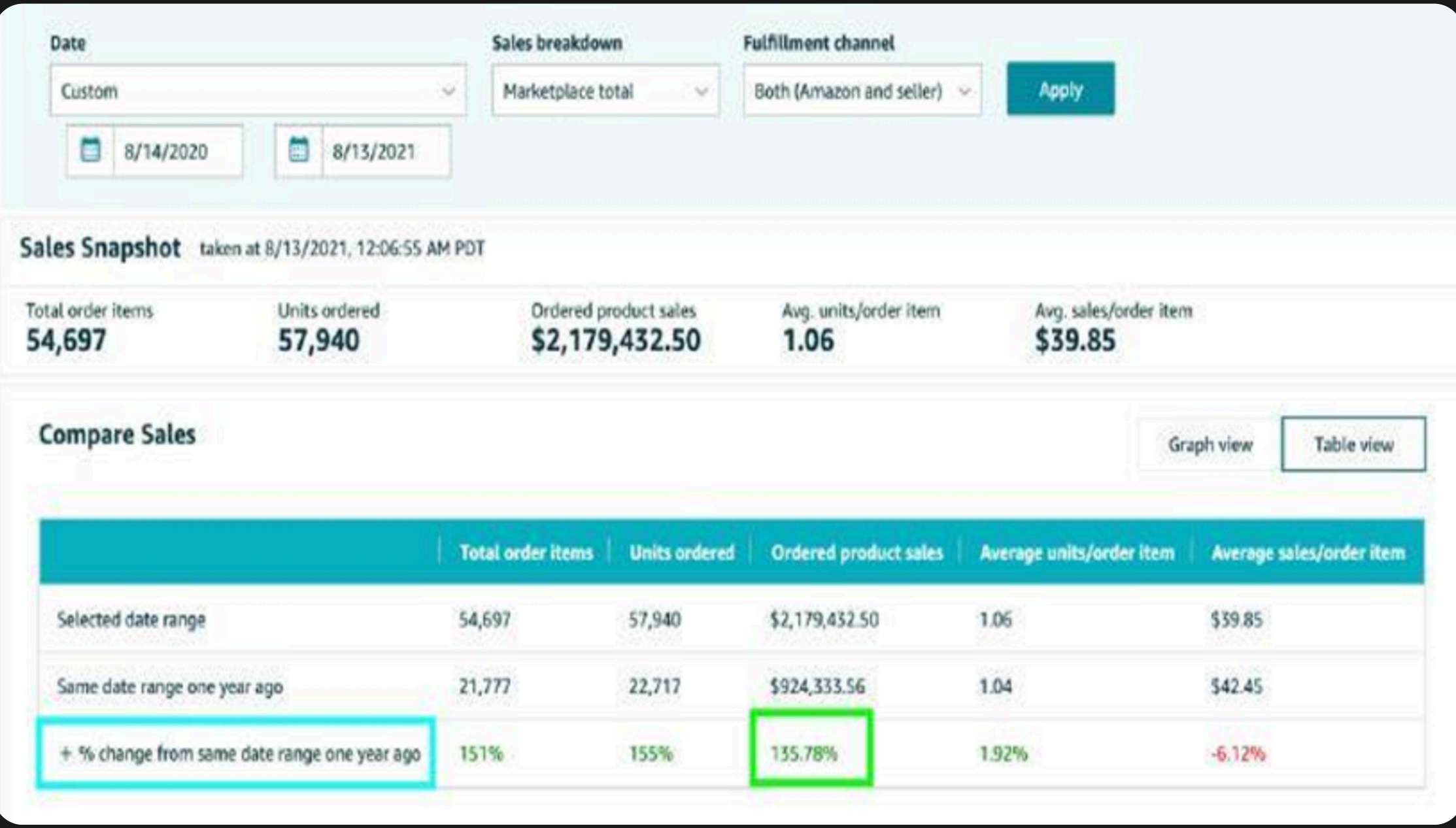
- Annual revenue: $924,334 → $2,179,433 — up 135.8%
- Order items: 21,777 → 54,697 — up 151%
- Units ordered: 22,717 → 57,940 — up 155%
- Organic rank: top 20 in niche
Note that units grew faster than revenue: 155% against 136%. Average sales per order item fell about 6%, from $42.45 to $39.85, as the mix shifted toward more accessible price points and multi-unit purchases. More than two and a half times the volume at a slightly lower average price.
Why this one is worth reading carefully
The sequence mattered more than any individual tactic. Ranking campaigns run before conversion is fixed will burn money buying traffic that bounces. Conversion work done before the ad structure exists improves a page nobody profitable is visiting. Fixing allocation first, then conversion, then buying rank, is what let each step pay for the next.
This is also our oldest documented case study — the twelve-month window runs from August 2020 to August 2021. The strategy still holds, but Amazon's ad products and the competitive bar in supplements have both moved since. We'd expect the same approach to take longer and cost more to execute today.
Read our Amazon SEO and organic rank guide for the ranking mechanics, or see full account management.
Book a free Gap Analysis. We'll audit your account the same way we audited Supplement Brand.
Book a Gap Analysis →