
Even if Amazon is the most well-known online marketplace, it takes work to differentiate yourself from the other sellers. Amazon has almost 2 million sellers, all competing for customers’ attention. Making your things stand out is difficult since many sellers compete for attention.
You must utilize the proper keywords to increase the visibility and sales of your items on Amazon. Customers DO Amazon keyword research and check for those phrases in the product listings. The goods with the best-matching keywords appear first and receive the most attention.
This post is for anyone interested in learning how Amazon’s search system works. We will explain how to do Amazon market research for your items. At the end, you will see where you may employ these keywords. So continue reading.
How does the Amazon Search Algorithm Work?

Amazon’s search engine (A10) determines which goods to display depending on several factors.
- Keywords: If you include particular terms linked to your product in its description, Amazon considers it more relevant when consumers search for such phrases.
- Reviews: If the item you sell has many good reviews and few negative ones, Amazon feels it is of superior quality and will appear in search results more often.
- Conversion Rate: If many buyers buy your product after clicking on its listing, Amazon will deem it popular and may feature it in subsequent searches.
- Sales History: If your product has been selling successfully, Amazon believes customers enjoy it and may place it on the first page of search results.
This information helps Amazon consider which goods are most appropriate for each search. Our guidance will help you focus on the first step of Amazon SEO: utilizing the proper keywords to make your goods simpler to search.
What are Amazon Keywords?
Amazon keywords are words or phrases that you connect with your product to show Amazon that it’s what people are looking for. You can add these keywords in two main ways:
Frontend keywords: These are the words you use in your product listing. So, anything you put in your product title, description, or bullet points counts as front-end keywords.
Backend keywords: These are added in a special section called “Keywords” in your Amazon Seller Central account. Shoppers can’t see these keywords, but Amazon still uses them to match your product with what people are searching for when they buy.
What is Keyword Research?
Finding suitable keywords is critical to ensuring your items are visible on Amazon. This requires determining all the keywords clients may use to find your service. Customers use these keywords to search for items comparable to yours on Amazon.
For example, one individual may search for “best swimwear,” while another may put “best swimsuit.” Although the phrases differ, they signify the same thing and may help customers locate your goods. So, mentioning both of them in your product listing is critical.
How to do Amazon Keyword Research?
Let’s talk about finding the right words for your online product. There are two main types of keywords to consider:
Primary keyword (or main keyword): These are the big ones you want to focus on. Think of them as the main stars of your product’s title.
Secondary keywords (or LSI – Latent Semantic Indexing): These are backup vocalists. They may not be as glamorous, but they are still significant. They appear in your product’s description, bullet points, and other areas.
Now, how to do Amazon keyword research? Here are a few tips:
1. Personal Experience
It sounds a bit saying, but trying to see things from your customer’s perspective is helpful. Consider the people who might buy your stuff and ask yourself a few questions:
- When do they usually buy things like yours?
- What words might they use when searching for products like yours?
- What questions might they have when looking for products like yours?
- What other stuff might they be interested in buying along with yours?
And besides just thinking of quick keywords, it’s also a good idea to check out social media. Look into Facebook groups or Reddit to see what people say about your product.
2. Try Amazon’s Auto-Complete Feature
Even if you don’t have much money to spend on fancy tools (although we suggest investing in one because it’s the best way to find all the keywords for your product), there’s still a helpful trick you can try for free – using Amazon.
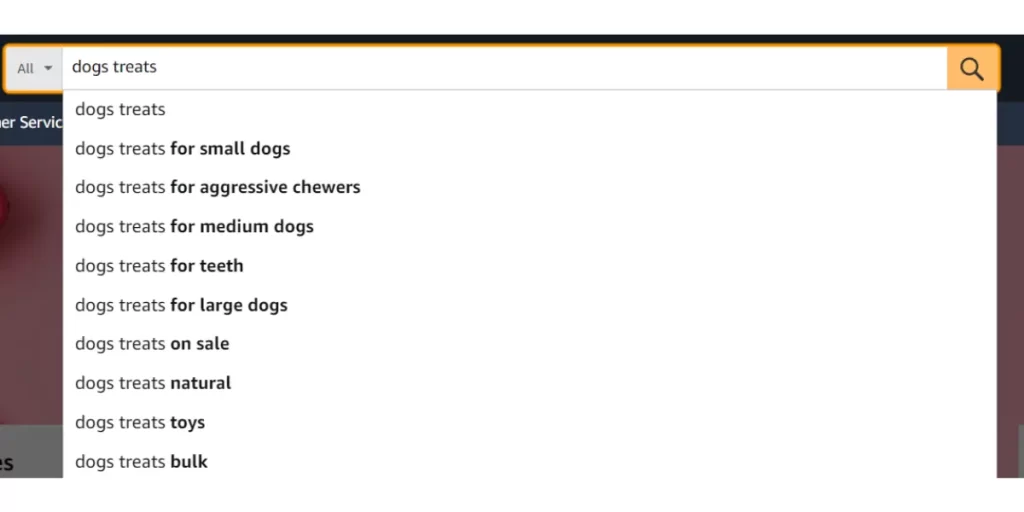
- Go to Amazon’s search bar and type something similar to what potential buyers might search for when looking for your product.
- As you start typing, Amazon will suggest possible keyword combinations.
- You can use this as part of your keyword research strategy.
- When you start typing, Amazon will show you suggestions based on what people search for the most, so it’s reliable. It’s like getting a list of keywords that work.
But remember, this method takes time and patience. Take it step by step, and don’t rush through it.
3. Analyze your Competitor’s Listings
One helpful way to find reasonable product keywords is by looking at your competitors’ actions. Take a peek at how they’ve described their products and what words they’ve used in the titles, descriptions, and bullet points.
This can give you some great ideas for keywords to use in your product listings. A quick look at their product titles can remind you of missed keywords.
4. Use a Keyword Tool that Shows Amazon Search Trends
Many sellers often check how tough it might be to rank for a particular keyword by looking at the competition metric. This metric only shows how many advertisers compete for paid ads, not how hard it is to rank organically. That’s why using a keyword tool that provides accurate data is crucial.
With so many online keyword research tools, picking one that gives precise numbers based on Amazon’s search engine is vital. These third-party tools offer various functions, like analyzing your PPC campaigns and finding product ideas. They’re tailored to provide detailed insights into the keywords you’re researching.
You can search for keywords based on either their name or ASIN number. Plus, a filter option narrows your search by product category. These tools can help you find keywords, assess their metrics, discover long-tail keywords, measure their difficulty, and see how often they’re searched for.
5. Tap Into Google Search
When selling stuff online, using the right words is essential so people can find your products quickly. Google and Amazon sometimes use different words to search for things, but Google can give you some good ideas.
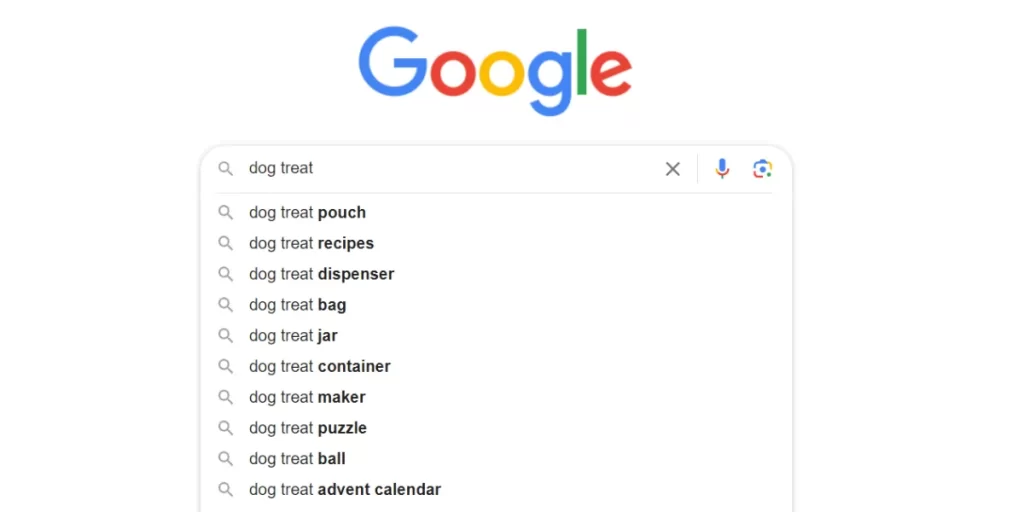
Here’s what you can do:
- Start typing the main words for your product into Google. It will suggest more words that could help people find your product.
- Write down these suggestions.
- Then, search for your main words in Google and see what appears first.
Now it is time for the Amazon SEO tools:
- Use a unique tool to find all the words linked to the top results.
- Put the link of the top consequence into the tool and click “Search.”
- The tool will give you a detailed report about that link.
- Go to the “Positions” tab to see a list of all the words the link ranks for.
- Take note of any words that could help your product listing.
- You can do this for the other top search results, too.
How to Optimize Keywords on Product Listings?
So, what’s next after you’ve picked out the best keywords for your Amazon listings optimization? You’ve got to make sure you use them in the right spots. That’s keyword optimization, which leads to optimizing Amazon A+ Content. Here’s where your main keyword should go:
- Product Title
- Product Description
- Bullet points
- Product image filenames
And your other keywords should go here:
- Product title (if you can fit them in)
- Product Description
- Product image filenames
Why are Keywords Important?

Keywords relate your content to what people are searching for online. They’re pretty significant. Whether you sell things on Amazon or operate an online business, you want to appear at the top of search results so that more people can visit your website. The keywords you choose to focus on will affect how much traffic you obtain.
How do I get Amazon keyword ideas?
To gather keyword ideas for your Amazon listings, start by utilizing Amazon’s search bar for autocomplete suggestions, which reflect popular searches by users. Look at your competitors’ product titles and descriptions to identify the keywords they use. Tools like Helium 10 or Jungle Scout are also invaluable for discovering keywords specific to Amazon, offering insights into search volumes and competition. Reviewing Amazon ads reports can reveal high-performing keywords from your campaigns, while customer reviews on your and competitors’ products can provide natural language terms that real shoppers use.
Incorporate these findings into your Amazon listings, focusing on including high-value keywords in your product titles, bullet points, and descriptions. Remember, the key is to use these keywords naturally to improve search visibility without compromising the readability of your content. Regularly updating your keyword strategy to adapt to changing trends and customer behavior can further enhance your product’s visibility and sales on Amazon.
FAQs
How do you choose the best keyword research tool for Amazon SEO?
When picking a tool to help find suitable words for Amazon searches, ensure it’s accurate, relevant, easy to use, and fits your budget. Also, check how competitive it is. These things matter!
What is the significance of long-tail keywords in Amazon SEO?
Long-tail keywords are particular compared to short ones and are usually easier to rank for. They help notice your product on Amazon searches and bring the right kind of visitors to your product page.
Is it necessary to localize keywords for different Amazon marketplaces?
Yes, When you’re selling on Amazon in different countries, it’s essential to tweak your keywords for each marketplace. This means translating them into the language people use on that site. In other places, you might search for things using different words.
Conclusion
Doing keyword research on Amazon is important for ensuring your products get seen by many people. We have talked about how to do Amazon keyword research here. You can use many tools and tricks to find the best keywords for your product listings.
Using these tools and checking out your competitors’ actions, you can ensure your products stand out and sell well on Amazon. Picking the right keywords is a big part of getting your products to appear near the top of Amazon’s search results.
